
BLOG
October 13, 2026



Moving Beyond the Slide Deck to Start Driving Strategy: 4 Key Takeaways from Fierce Pharma Week 2026
For years, the slide deck has been the default currency of Medical Affairs—wheeled out for every healthcare professional (HCP) interaction and used to bundle up quarterly performance for internal leadership. But in an era dominated by hyper-personalized technology and rapid data synthesis, relying on static decks and retrospective reporting means missing critical windows of opportunity.
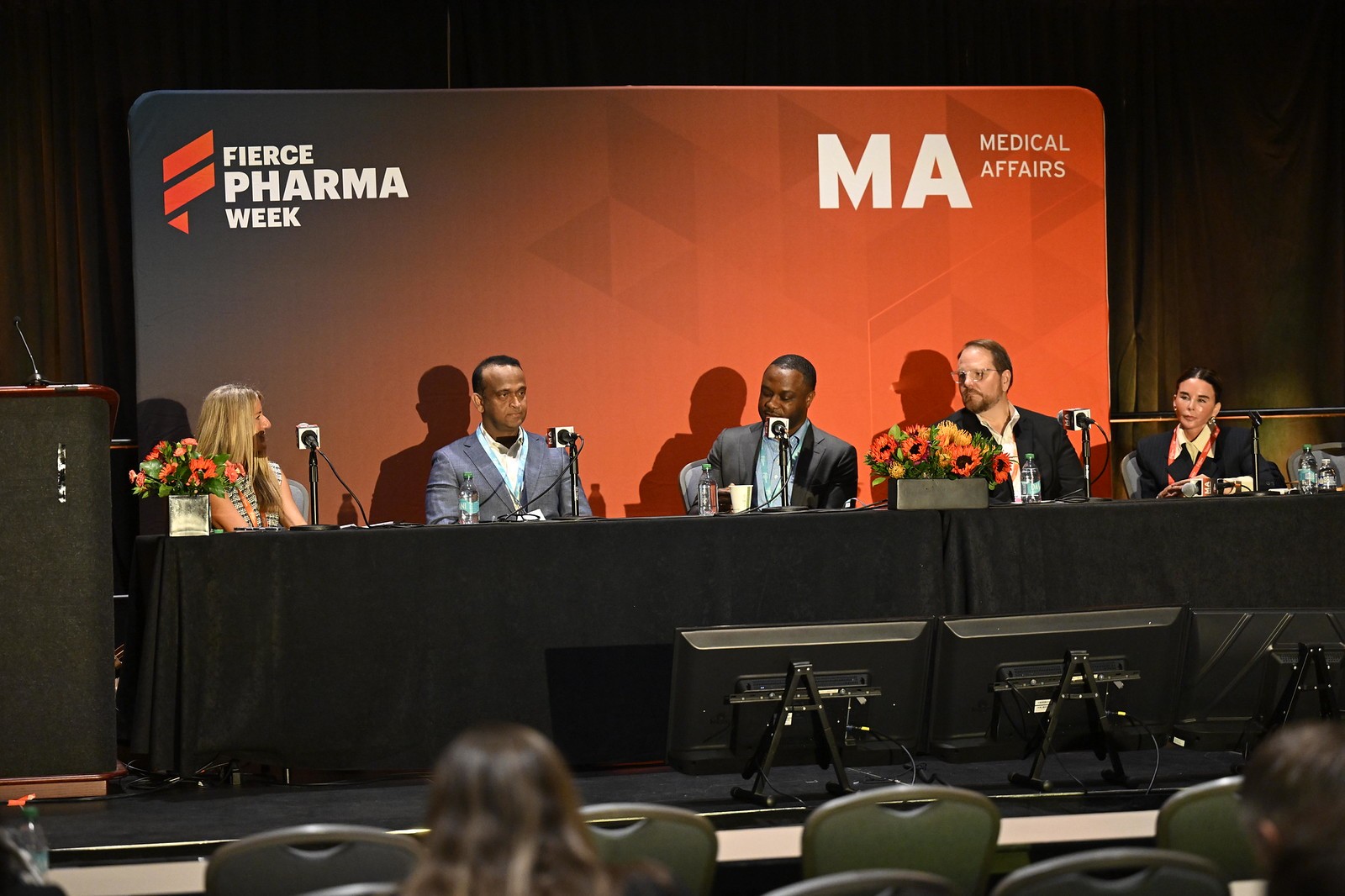
At Fierce Pharma Week 2026, industry leaders convened for a panel titled "Move Beyond the Slide Deck to Drive Real-Time Medical Strategy." Moderated by Maria Urso, Ph.D. (Vice President, Clinical Affairs at Isto Biologics), the discussion featured Donnie Wooten Jr., Pharm.D. (AstraZeneca), Talitha Lynch (former Vice President, Portfolio Lifecycle Leader, AbbVie), Tom Richards (MedPage Today), and Sanjeev Welling (Avira Digital).
Together, they unpacked what it takes to shift from reactive presentations to agile, real-time strategic execution. Here are the key takeaways and analogies from the discussion.
1. Strategy Is an End-to-End Journey, Not a Single Touchpoint
One-off scientific presentations rarely drive lasting behavior change. To illustrate how Medical Affairs should orchestrate engagement, Donnie Wooten Jr. used a familiar travel scenario:
Think about how modern airlines operate. You don’t just get a flight ticket; you receive a check-in prompt 24 hours prior, followed by a boarding notification on travel day, and real-time gate updates as you walk through the terminal.
Medical Affairs requires that same coordinated, end-to-end timing. Rather than dropping a 40-slide presentation on a clinician during a single meeting, teams need to deliver a sequence of timely, connected touchpoints that guide the HCP along their learning journey.
2. Personalization Drives Real Engagement
HCPs are continuously inundated with scientific data, making "cutting through the noise" a core operational challenge. Tom Richards compared modern medical education to consumer streaming platforms.
Platforms like Netflix don't display their entire library at once; they leverage algorithms to deliver tailored recommendations based on individual user behavior.
Medical Affairs must adopt a similar mindset by moving away from broad broadcast messaging. By delivering tailored, specialty-specific insights through trusted endemic platforms where clinicians already spend their time—such as MedPage Today—teams can ensure scientific education is both relevant and actionable rather than just adding to the noise.
3. Real-Time Execution Means Actionable Precision
When Medical Affairs operates on quarterly reporting cycles, it often recognizes critical market shifts and clinical needs too late. Defining what "real-time" should actually mean for field teams, Talitha Lynch highlighted an everyday digital trigger:
When suspicious activity happens on your account, you don't receive a summary report three months later—you get an immediate fraud alert that allows you to take instant action.
In Medical Affairs, real-time strategy means linking field intelligence, CRM data, and engagement analytics so that teams receive immediate, actionable alerts. Shifting operational timelines from months to days or weeks lets teams address clinical shifts at the point of care while the opportunity is still live.
4. Aligning Tech, Governance, and Culture
Transitioning to a real-time model is as much about culture and process as it is about technology. As Sanjeev Welling and the panel explored, organizations often buy feature-heavy platforms, only to find that overly rigid governance processes or complex workflows stall execution.
Cutting through the noise is ultimately a strategic skill rather than a simple software feature. Achieving true agility requires simplifying internal review workflows and aligning cross-functional teams early. As Talitha Lynch noted during the discussion:
"Early alignment is critical to Medical Affairs success..." Talitha Lynch, Vice President, Portfolio Lifecycle Leader, AbbVie
Moving Beyond the Deck
Modernizing Medical Affairs requires letting go of the comfort blanket of the slide deck. By focusing on tailored engagement, end-to-end coordination, and real-time data integration, organizations can ensure that every scientific interaction delivers value to clinicians and directly shapes patient care.
Ready to amplify your scientific communications strategy? We’d love to talk about the ways we can partner with you.
POWERED BY:

360 Park Avenue South, 17th floor, New York, NY 10010
Copyright © 2026 Everyday Health Group. All rights reserved. Use of this website is subject to our terms of service and privacy policy.
BLOG
October 13, 2026
Moving Beyond the Slide Deck to Start Driving Strategy: 4 Key Takeaways from Fierce Pharma Week 2026
For years, the slide deck has been the default currency of Medical Affairs—wheeled out for every healthcare professional (HCP) interaction and used to bundle up quarterly performance for internal leadership. But in an era dominated by hyper-personalized technology and rapid data synthesis, relying on static decks and retrospective reporting means missing critical windows of opportunity.
At Fierce Pharma Week 2026, industry leaders convened for a panel titled "Move Beyond the Slide Deck to Drive Real-Time Medical Strategy." Moderated by Maria Urso, Ph.D. (Vice President, Clinical Affairs at Isto Biologics), the discussion featured Donnie Wooten Jr., Pharm.D. (AstraZeneca), Talitha Lynch (former Vice President, Portfolio Lifecycle Leader, AbbVie), Tom Richards (MedPage Today), and Sanjeev Welling (Avira Digital).
Together, they unpacked what it takes to shift from reactive presentations to agile, real-time strategic execution. Here are the key takeaways and analogies from the discussion.
1. Strategy Is an End-to-End Journey, Not a Single Touchpoint
One-off scientific presentations rarely drive lasting behavior change. To illustrate how Medical Affairs should orchestrate engagement, Donnie Wooten Jr. used a familiar travel scenario:
Think about how modern airlines operate. You don’t just get a flight ticket; you receive a check-in prompt 24 hours prior, followed by a boarding notification on travel day, and real-time gate updates as you walk through the terminal.
Medical Affairs requires that same coordinated, end-to-end timing. Rather than dropping a 40-slide presentation on a clinician during a single meeting, teams need to deliver a sequence of timely, connected touchpoints that guide the HCP along their learning journey.
2. Personalization Drives Real Engagement
HCPs are continuously inundated with scientific data, making "cutting through the noise" a core operational challenge. Tom Richards compared modern medical education to consumer streaming platforms.
Platforms like Netflix don't display their entire library at once; they leverage algorithms to deliver tailored recommendations based on individual user behavior.
Medical Affairs must adopt a similar mindset by moving away from broad broadcast messaging. By delivering tailored, specialty-specific insights through trusted endemic platforms where clinicians already spend their time—such as MedPage Today—teams can ensure scientific education is both relevant and actionable rather than just adding to the noise.
3. Real-Time Execution Means Actionable Precision
When Medical Affairs operates on quarterly reporting cycles, it often recognizes critical market shifts and clinical needs too late. Defining what "real-time" should actually mean for field teams, Talitha Lynch highlighted an everyday digital trigger:
When suspicious activity happens on your account, you don't receive a summary report three months later—you get an immediate fraud alert that allows you to take instant action.
In Medical Affairs, real-time strategy means linking field intelligence, CRM data, and engagement analytics so that teams receive immediate, actionable alerts. Shifting operational timelines from months to days or weeks lets teams address clinical shifts at the point of care while the opportunity is still live.
4. Aligning Tech, Governance, and Culture
Transitioning to a real-time model is as much about culture and process as it is about technology. As Sanjeev Welling and the panel explored, organizations often buy feature-heavy platforms, only to find that overly rigid governance processes or complex workflows stall execution.
Cutting through the noise is ultimately a strategic skill rather than a simple software feature. Achieving true agility requires simplifying internal review workflows and aligning cross-functional teams early. As Talitha Lynch noted during the discussion:
"Early alignment is critical to Medical Affairs success..." Talitha Lynch, Vice President, Portfolio Lifecycle Leader, AbbVie
Moving Beyond the Deck
Modernizing Medical Affairs requires letting go of the comfort blanket of the slide deck. By focusing on tailored engagement, end-to-end coordination, and real-time data integration, organizations can ensure that every scientific interaction delivers value to clinicians and directly shapes patient care.
Ready to amplify your scientific communications strategy? We’d love to talk about the ways we can partner with you.
360 Park Avenue South, 17th floor, New York, NY 10010
Copyright © 2026 Everyday Health Group. All rights reserved. Use of this website is subject to our terms of service and privacy policy.
POWERED BY: